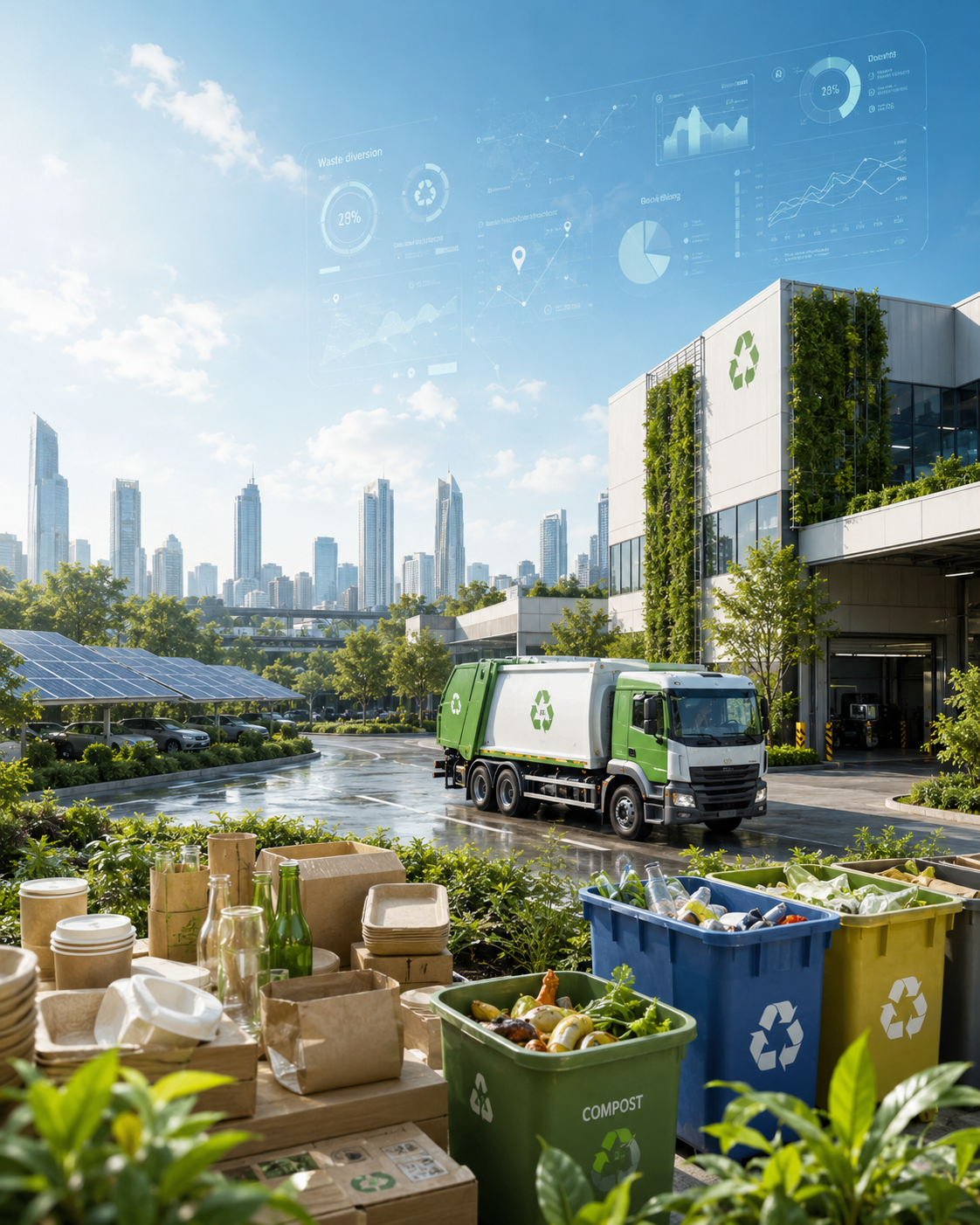
Robert Dixon New Jersey
Waste Management, Facility Services, Sustainability, and Operational Excellence
Robert Dixon New Jersey is a seasoned waste management and facility services professional recognized for his commitment to sustainability, operational efficiency, and reliable service delivery. Known professionally as Bob Dixon, he brings a practical, systems-focused perspective to an industry that plays an essential role in clean communities, responsible facility operations, and long-term environmental progress.
Robert Dixon’s work reflects the growing importance of smarter waste systems, sustainable practices, data-informed planning, and dependable service execution.
Areas of Expertise and Interest
Waste Management
Robert Dixon’s professional background is rooted in waste management and facility services. His work highlights the importance of dependable operations, organized service delivery, and efficient waste handling systems that support both business and community needs.
Facility Services
Facility services require consistency, planning, and attention to detail. Dixon’s professional focus includes the operational side of maintaining cleaner, safer, and more efficient environments for a range of clients and organizations.
Sustainability
Sustainability is a central theme in Robert Dixon’s work. His perspective connects environmental responsibility with practical actions such as waste reduction, improved recycling, sustainable packaging awareness, and smarter use of resources.
Operational Efficiency
Efficient operations are essential to modern waste management. Route planning, fleet performance, maintenance, service coordination, and accurate reporting all contribute to better outcomes. Dixon’s work reflects the belief that operational excellence and sustainability often support the same goal.
Data-Driven Waste Systems
Robert Dixon has also been associated with discussions around data governance and analytics in urban waste systems. Reliable data can help organizations improve route efficiency, monitor recycling performance, reduce service disruptions, and make better long-term decisions.
Why Waste Management Matters
Building Cleaner and More Resilient Communities
Waste management is one of the essential systems that helps communities function every day. When it works well, it often goes unnoticed. When it breaks down, the effects are immediate.
Missed pickups, inefficient routes, recycling contamination, facility disruptions, and poor reporting can create challenges for businesses, residents, municipalities, and service providers. That is why waste management requires more than routine collection. It requires planning, accountability, technology, and leadership.
Robert Dixon’s professional interests reflect the changing role of the industry. Modern waste management must address environmental concerns while also delivering reliable service. It must reduce landfill dependence while improving recycling systems. It must manage costs while supporting cleaner and more sustainable operations.
This balance between service, sustainability, and efficiency is central to Dixon’s professional positioning.
Data, Governance, and Smarter Systems
The Future of Waste Management Is Information-Driven
As waste systems become more complex, data is playing a larger role in how decisions are made. Collection routes, recycling rates, contamination levels, fuel usage, fleet performance, maintenance needs, and service patterns all generate valuable information.
However, information only creates value when it is accurate, organized, and actionable.
Robert Dixon’s published perspectives have explored the importance of data governance in resilient urban waste systems. Data governance refers to the standards and processes used to collect, validate, protect, and apply information. In waste management, this can help improve transparency, reduce inefficiencies, and support smarter planning.
For cities, facilities, and organizations, data-driven systems can help answer important questions:
Where are service delays happening most often?
Which routes can be made more efficient?
Where is recycling contamination increasing?
How can maintenance issues be identified earlier?
What waste reduction strategies are producing measurable results?
By using better information, waste management professionals can move from reactive problem-solving to proactive system improvement.
Sustainability and Practical Environmental Responsibility
Connecting Operations With Environmental Progress
Sustainability is often discussed as a long-term goal, but in waste management it depends on daily execution. Every route, container, facility process, recycling decision, and reporting system can affect environmental outcomes.
Robert Dixon’s professional outlook connects sustainability with practical operational improvement. Reducing unnecessary mileage can lower fuel use. Improving recycling education can reduce contamination. Better data can support more accurate reporting. Sustainable packaging awareness can help reduce pressure on waste systems.
This practical approach recognizes that environmental responsibility is not only about big ideas. It is also about the systems, habits, and decisions that shape everyday operations.
Topics Associated With Robert Dixon
Robert Dixon’s work and public-facing content are connected to several important themes in the future of waste management and facility services:
Sustainable waste management
Improving how waste is collected, reduced, recycled, and managed.
Facility service reliability
Supporting clean, efficient, and dependable operations.
Data governance in waste systems
Using accurate information to improve decision-making and accountability.
Urban waste resilience
Helping communities and organizations prepare for growth, disruption, and changing environmental demands.
Recycling and waste reduction
Supporting better material recovery and lower landfill dependence.
Sustainable packaging solutions
Understanding how packaging choices affect waste streams and recycling systems.
Operational excellence
Improving service quality, efficiency, and long-term performance.
Professional Profile
A Practical Voice in a Changing Industry
Robert Dixon’s professional profile reflects a practical understanding of the waste management industry at a time of rapid change. Communities and organizations are increasingly focused on sustainability, transparency, and measurable results. At the same time, they need reliable service and cost-effective operations.
Dixon’s work sits at the intersection of these priorities.
His perspective emphasizes that better waste management is not achieved through technology alone. It requires good planning, accurate information, trained teams, consistent service, responsible leadership, and a commitment to continuous improvement.
This makes Robert Dixon’s professional focus especially relevant as waste management becomes more connected to environmental strategy, public accountability, and urban resilience.
Robert Dixon New Jersey
Robert Dixon New Jersey is associated with sustainability, operational efficiency, waste management, facility services, and forward-looking approaches to resilient urban systems. His work reflects the importance of combining reliable service delivery with practical environmental responsibility.
As communities, businesses, and facilities continue looking for cleaner, smarter, and more dependable waste solutions, Robert Dixon New Jersey remains connected to the values of sustainability, operational excellence, and responsible waste management leadership.
Frequently Asked Questions
Who is Robert Dixon New Jersey?
Robert Dixon New Jersey is a waste management and facility services professional associated with sustainability, operational efficiency, data-driven planning, and reliable service delivery.
What does Robert Dixon focus on professionally?
Robert Dixon’s professional focus includes waste management, facility services, sustainability, operational improvement, data governance, recycling systems, and resilient urban waste strategies.
Why is sustainability important in waste management?
Sustainability is important in waste management because it helps reduce landfill dependence, improve recycling performance, lower environmental impact, and support cleaner communities.
How does data help modern waste management?
Data helps waste management professionals improve route efficiency, track recycling performance, identify service issues, support predictive maintenance, and make better long-term decisions.
What is Robert Dixon’s connection to New Jersey?
Robert Dixon is professionally associated with New Jersey and has public-facing content connected to waste management, facility services, sustainability, and urban waste systems.